
Electronic waste, or e-waste, is a rapidly growing problem that poses a significant threat to the environment and human health. E-waste refers to discarded electronic devices such as computers, televisions, smartphones, and appliances, which are often made up of hazardous materials such as lead, mercury, and cadmium. If not disposed of properly, e-waste can contaminate soil and water sources, release toxic gases into the atmosphere, and expose individuals to harmful chemicals. In this blog post, we will explore the process of e-waste recycling and how it can help to mitigate the negative impact of e-waste.
Collection and Sorting
The first step in the e-waste recycling process is the collection and sorting of electronic devices. This is typically done through a combination of public and private initiatives, including municipal e-waste collection programs, take-back programs offered by manufacturers and retailers, and private e-waste recycling companies. Once the devices have been collected, they are sorted into categories based on their material composition and the type of device.
Dismantling in E-waste recycling
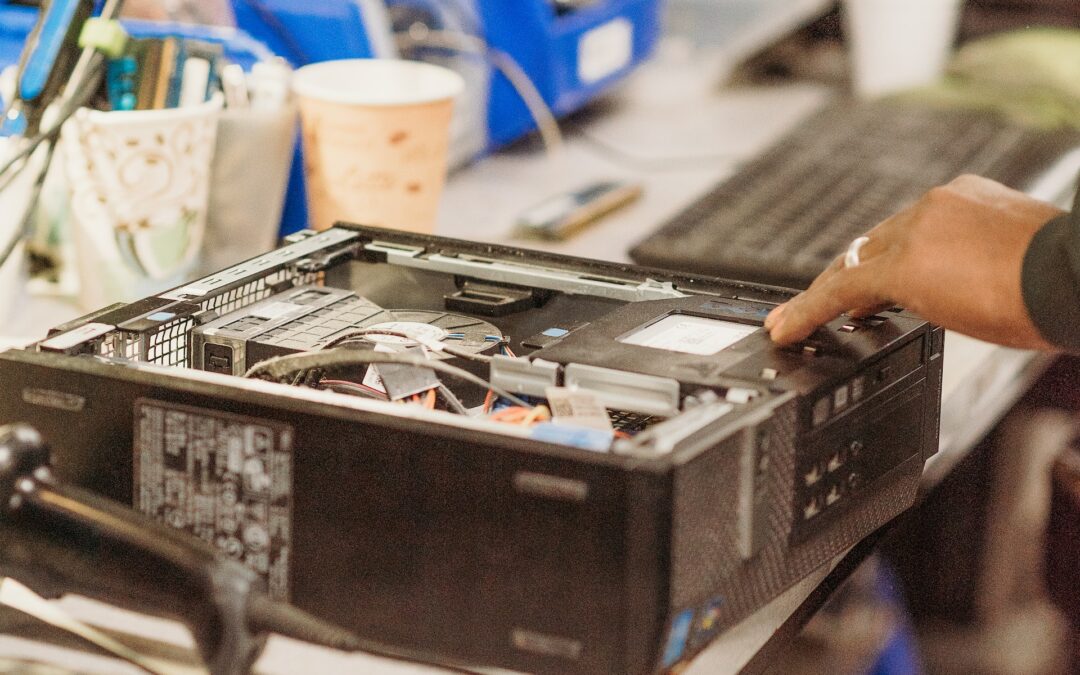
After sorting, the e-waste devices undergo dismantling, where they are broken down into their component parts, including plastics, metals, and circuit boards. This can be done manually or with the help of specialized machinery. During the dismantling process, hazardous materials such as batteries and mercury-containing components are carefully removed and separated for proper disposal.
Processing and Recycling E-waste
Once the dismantling is complete, the individual components are processed and recycled. Metals such as aluminum, copper, and steel can be melted down and reused, while circuit boards can be shredded to recover valuable materials such as gold, silver, and platinum. Plastics can be melted down and molded into new products in the process of pelletizing, while glass and other materials can be crushed and used for construction purposes. The goal of e-waste recycling is to recover as much material as possible from the discarded devices and to minimize the amount of waste that ends up in landfills.
Challenges and Solutions
E-waste recycling faces several challenges, including the difficulty of dismantling certain devices, the complexity of separating different materials, and the need for specialized equipment and expertise. In addition, informal e-waste recycling operations in developing countries often use unsafe and environmentally damaging methods, such as open burning, to extract valuable materials. This can lead to serious health and environmental risks for the workers and the surrounding community.
To address these challenges, governments and organizations around the world are working to promote responsible e-waste recycling practices. This includes efforts to regulate the collection and handling of e-waste, to promote the development of more efficient and effective recycling technologies, and to raise awareness of the importance of proper e-waste disposal. Additionally, initiatives such as consumer education programs and e-waste awareness campaigns can help to encourage people to recycle their old devices and make more environmentally responsible choices when it comes to electronics consumption.
Conclusion
E-waste recycling is a crucial process that helps to reduce the environmental impact of discarded electronic devices. By carefully collecting, dismantling, and processing old devices, we can recover valuable materials and minimize the amount of waste that ends up in landfills. However, e-waste recycling is not without its challenges, and it requires a concerted effort from individuals, organizations, and governments to ensure that it is done in a responsible and sustainable manner. By working together, we can create a more sustainable future for ourselves and our planet.
At FMP we specialise in recycling of a variety of materials. Contact us today to see how we can help you!
Recent Comments